
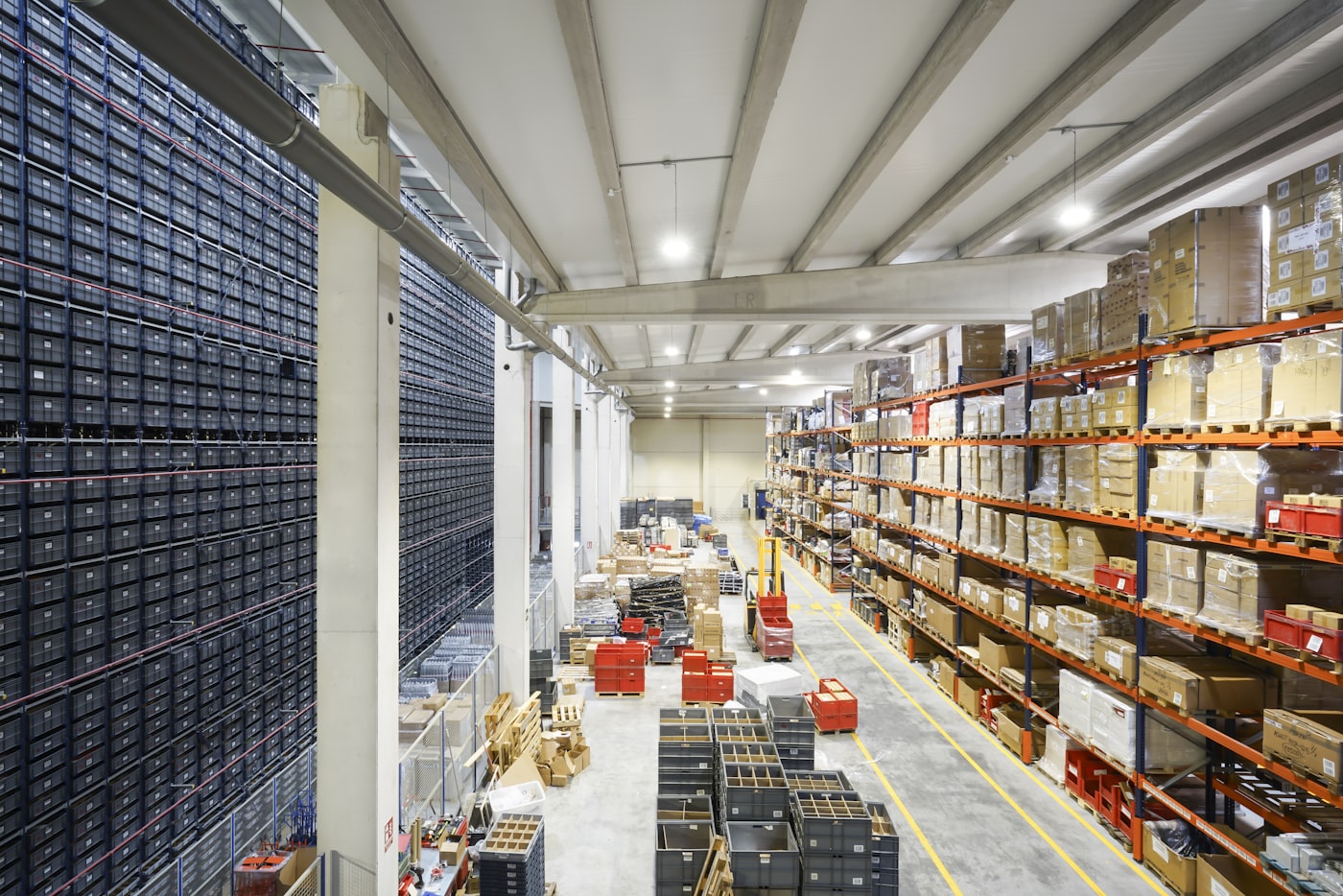
From 40 hours/week of manual document processing to 4 — across 14 document types.
A freight forwarder was processing bills of lading, packing lists, commercial invoices and customs declarations manually. AP, ops and customs staff spent a combined 40 hours/week on data entry. We built a document AI pipeline integrated with their TMS.
Every shipment required staff to read PDFs, type fields into the TMS, cross-check against customer instructions, and flag discrepancies. Errors slipped through and caused costly customs delays. Hiring more clerks wasn't the answer — it was the wrong work.
We deployed a document AI pipeline using a mix of fine-tuned extraction models and an LLM verification layer. Documents are ingested via email and FTP, classified, extracted, validated against business rules, and posted to the TMS. Exceptions are routed to a review queue with the AI's reasoning attached so staff make decisions, not data entry.
97.3% straight-through processing in production. Combined manual processing time dropped from 40 hours/week to 4. Customs error rate fell by 60%. Staff redeployed to exception handling and customer service — work that actually needs humans.
We didn't want to replace people. We wanted to stop wasting their time on data entry. That's exactly what we got.
Other businesses, other numbers.
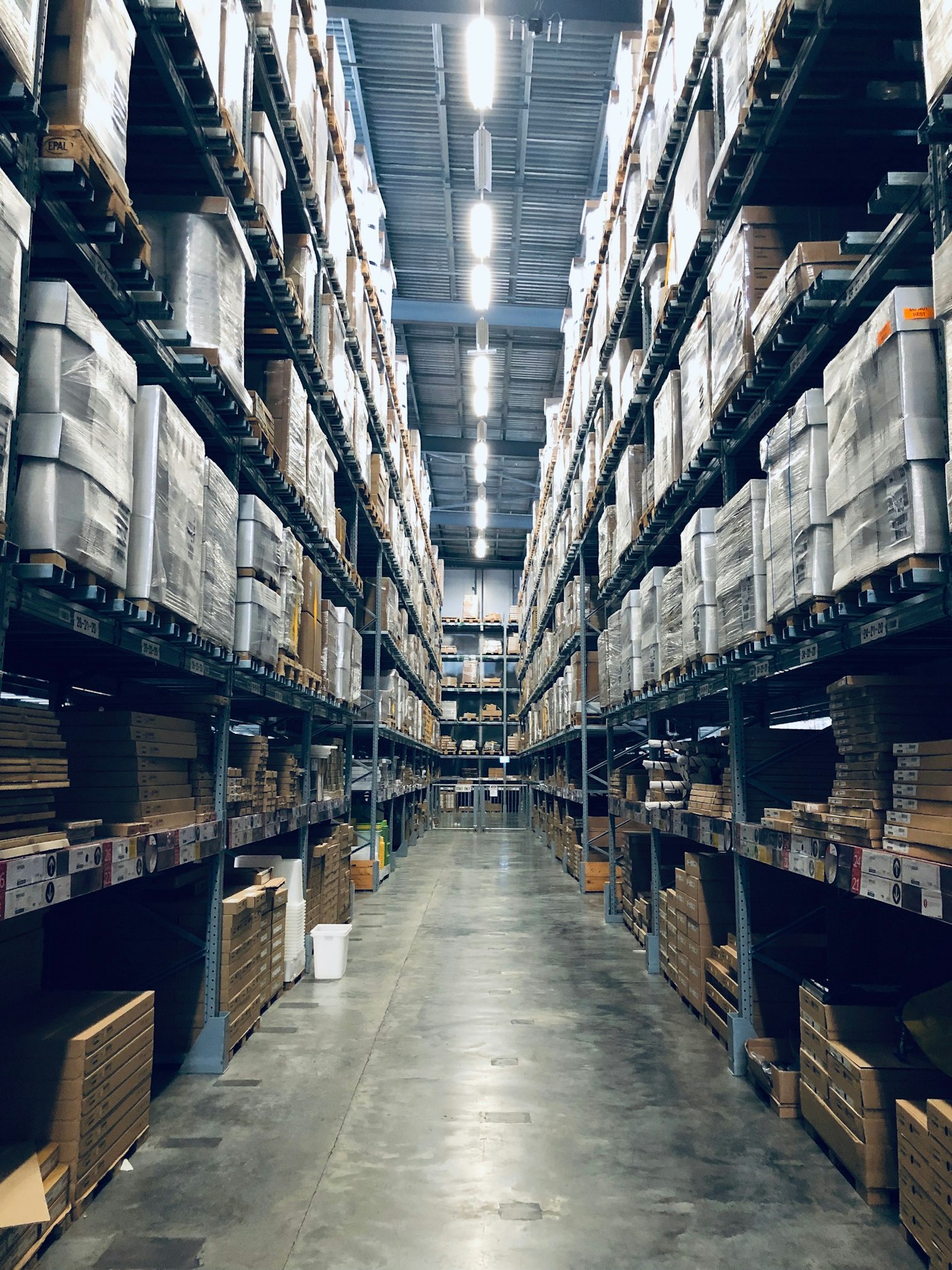
Cut month-end close from 7 days to 2, consolidated 4 systems into 1.
A 320-staff FMCG distributor across SG and MY was running Sage for accounts, two different WMS systems and an Excel-based commission engine. We consolidated everything onto PalaERP, with custom modules for trade promotions.
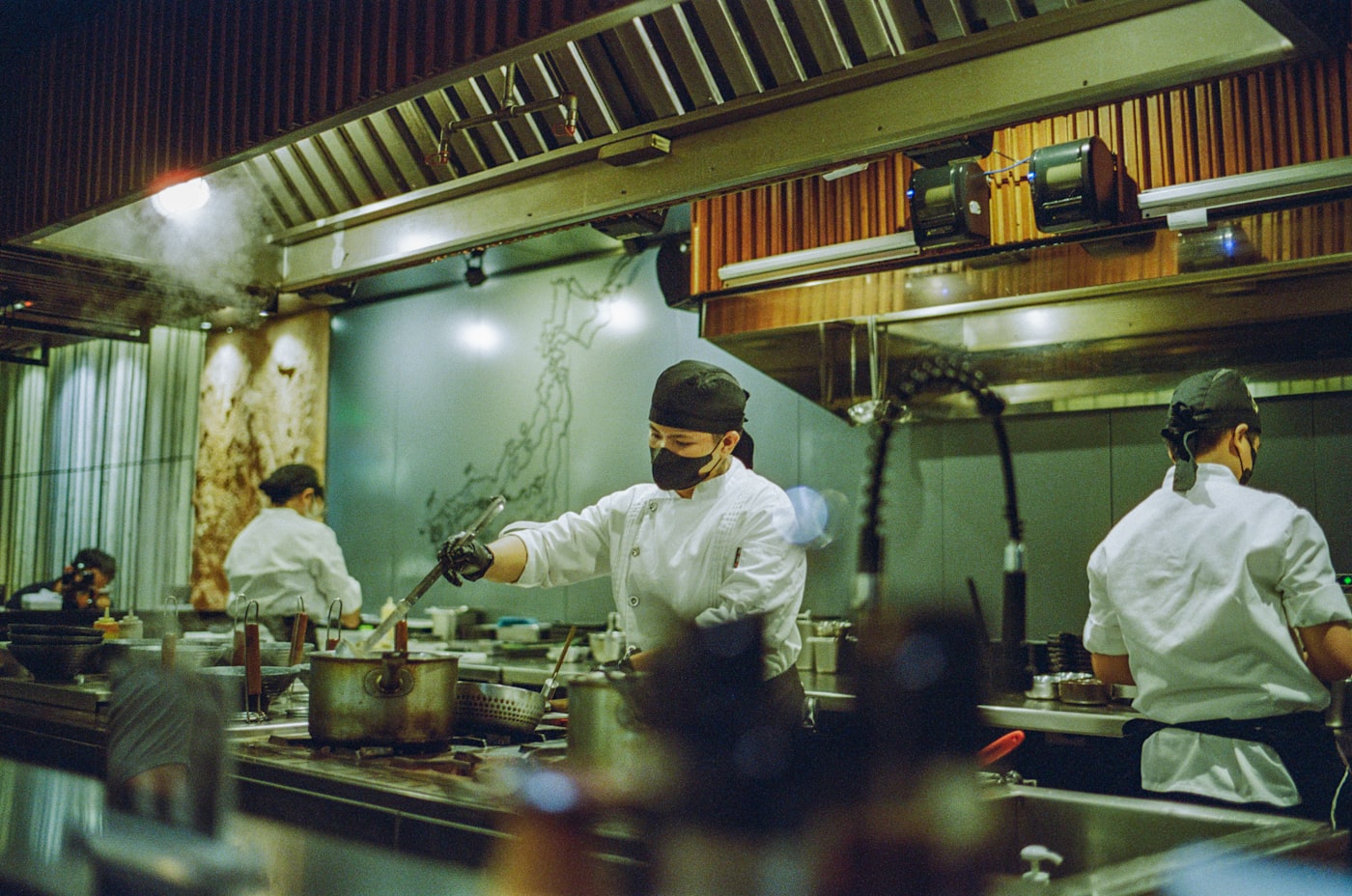
Custom B2B ordering portal replaced WhatsApp + Excel for 200+ corporate clients.
A multi-outlet F&B operator's catering arm was taking corporate orders via WhatsApp and processing them in Excel. We built a branded ordering portal that integrates with their existing POS and accounting — no off-the-shelf product fit.
Tell us what's breaking. We'll show you what to fix.
A 60-minute call with a senior engineer — a working conversation, not a pitch. You'll leave with a concrete next step, whether or not we work together.